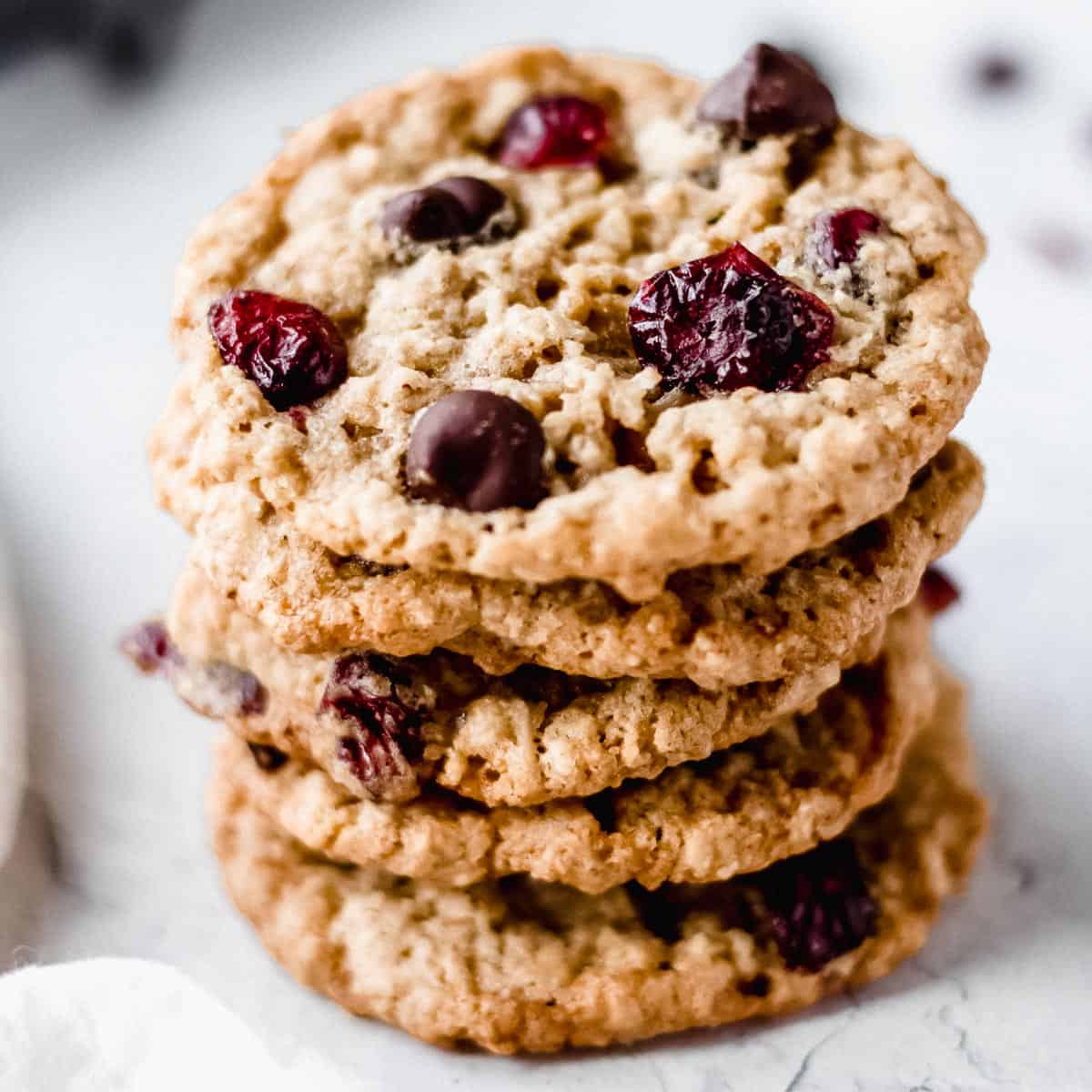
Master Cranberry Oatmeal Cookies: The Dough Temperature Secret to Perfect Texture
There's something uniquely comforting about a freshly baked cookie – the aroma wafting through the kitchen, the warmth in your hand, and that first irresistible bite. Among the pantheon of beloved treats,
cranberry chocolate chip oatmeal cookies stand out. They offer a delightful symphony of flavors and textures: the wholesome chewiness of oats, the vibrant tartness of dried cranberries, and the luxurious melt of rich chocolate chips. But have you ever wondered what truly separates a good oatmeal cookie from an absolutely *perfect* one? The answer often lies not just in the ingredients, but in a surprisingly simple yet profound factor:
dough temperature.
Understanding how dough temperature influences your cookies is like unlocking a secret cheat code for baking. It allows you to precisely control the spread, thickness, and overall mouthfeel, ensuring every batch of
cranberry chocolate chip oatmeal cookies is tailored to your exact preference. Whether you crave a thin, crispy delight or a thick, chewy masterpiece, mastering dough temperature is your key to consistent, exceptional results.
The Irresistible Charm of Cranberry Chocolate Chip Oatmeal Cookies
Before we dive deep into the science of spread, let's appreciate the inherent deliciousness of these cookies. The combination of chewy dried cranberries and rich chocolate chips nestled within a hearty oatmeal base is truly something special. The tartness of the cranberries provides a welcome counterpoint to the sweetness of the chocolate, preventing the cookie from being overly cloying. Meanwhile, the rolled oats contribute a delightful texture, adding a rustic chewiness that differentiates them from their flour-based counterparts. Many bakers also love to elevate the flavor profile by including both semi-sweet and white chocolate chips, adding another layer of creamy sweetness to the mix.
The beauty of these cookies also lies in their versatility. They're fantastic for using up those pantry staples – old-fashioned rolled oats, a bag of chocolate chips, and a stash of dried cranberries. You can easily adjust the ratio of mix-ins to suit your taste, perhaps adding more white chocolate or swapping cranberries for raisins if that's your preference. However, one non-negotiable ingredient for truly superior texture and flavor is
real butter. Buttery spreads simply won't yield the same rich taste or structural integrity that makes these cookies so exceptional. They are not only a delicious treat fresh from the oven, but they also maintain their wonderful texture and flavor for several days, making them perfect for lunchboxes, coffee breaks, or an afternoon pick-me-up.
Decoding Dough Temperature: The Science of Cookie Spread
Now, let's get to the heart of the matter: dough temperature. It might sound like a minor detail, but it is, in fact, one of the single biggest factors in determining the final texture of any butter-based cookie. The magic lies in how butter behaves at different temperatures.
When you bake a cookie, the butter in the dough plays a crucial role. As the cookie heats up in the oven, the butter begins to melt.
* If your dough is *soft* and at room temperature (or even slightly warmer), the butter inside it is already quite pliable. When it hits the hot oven, this soft butter melts very quickly. As it melts, it releases its structure, causing the dough to spread rapidly and widely before the dry ingredients have a chance to set. The result? A thinner, crispier cookie.
* Conversely, if your dough is *chilled or frozen*, the butter within it is firm and solid. When this cold dough enters the oven, the butter takes much longer to melt. This extended period of solidity allows the edges of the cookie to set and firm up before the butter fully liquefies. The slower melt of the butter means less immediate spread. As the butter eventually melts, the cookie's structure is already largely established, resulting in a thicker cookie with a chewier center.
Think of it like this: cold butter is like a tiny dam holding back the spread. The colder the butter, the stronger the dam, and the longer it holds its shape, leading to less spread and a more substantial cookie. This isn't just theory; it's a verifiable phenomenon that you can observe in your own kitchen. Baking identical portions of dough, one chilled and one at room temperature, will consistently yield visibly different cookies. The colder the dough, the less it will spread.
Crafting Your Perfect Cranberry Oatmeal Cookie Texture
Understanding the science is one thing; applying it is where the real fun begins. You have the power to influence your
cranberry chocolate chip oatmeal cookies to achieve your desired texture simply by manipulating the dough's temperature.
*
For Thin, Crisp Cookies: Bake Immediately
If you're a fan of delicate cookies with wonderfully crisp edges and a flatter profile, start with butter that is soft but not melted when you make your dough. Once your
cranberry chocolate chip oatmeal cookie dough is mixed, go ahead and scoop it onto your baking sheet and bake it right away. Because the butter in the dough is already soft, it will quickly liquefy in the oven, allowing the cookies to spread easily and crisp up beautifully. These cookies often develop a more caramelized flavor across their broader surface.
*
For Thick, Chewy Cookies with Soft Centers: Chill or Freeze Your Dough
If your ideal cookie is thicker, with a satisfyingly chewy interior and slightly firmer edges, chilling or even freezing your dough is the way to go.
*
Chilling: After mixing your dough, cover it and refrigerate it for at least 30 minutes, or even an hour or two. This allows the butter to firm up significantly. When baked, these cookies will spread more slowly, resulting in a thicker cookie. You'll notice the edges setting before the center, contributing to that desirable chewy-soft texture.
*
Freezing: For the ultimate in thickness and minimal spread, freeze your dough balls before baking. Scoop your dough into individual portions, arrange them on a parchment-lined sheet pan, and place them in the freezer until solid. You can bake them directly from frozen (though you might need to add a minute or two to the baking time), or let them defrost slightly first. The extremely cold butter will resist spreading for the longest period, giving you the most substantial, chewiest cookie possible.
Experimentation is key! Try baking a few cookies immediately, a few after a short chill, and a few from frozen dough. You'll quickly discover your personal preference and gain confidence in controlling your cookie's fate.
Smart Baking: Make-Ahead and Storage Solutions
Beyond perfecting texture, managing dough temperature offers incredible convenience, especially for busy bakers. The ability to prepare cookie dough in advance and store it means you can have warm, fresh-baked cookies at a moment's notice.
One of the best make-ahead strategies for
cranberry chocolate chip oatmeal cookies is freezing the dough. Once you've scooped your dough into balls, arrange them on a parchment-lined baking sheet and pop them into the freezer until they're solid. This prevents them from sticking together. Once frozen, transfer the dough balls to a freezer-safe bag or airtight container. These frozen dough balls can be stored for up to
3 months, allowing you to enjoy the luxury of fresh-baked cookies whenever the craving strikes, without the full baking prep. This method is also fantastic for portion control, enabling you to bake just a few cookies at a time rather than an entire batch. For more detailed tips on this time-saving technique, be sure to check out our guide on
Make-Ahead Perfection: Freeze Cranberry Oatmeal Cookie Dough.
Even after baking, these delicious oatmeal cookies hold up remarkably well. While they are undoubtedly best fresh from the oven, their hearty nature means they retain their crisp edges and chewy centers for several days when stored in an airtight container at room temperature.
Conclusion
Mastering the art of
cranberry chocolate chip oatmeal cookies goes beyond simply following a recipe; it involves understanding the subtle yet powerful influence of dough temperature. By learning how to manipulate the temperature of your dough, you gain complete control over whether your cookies emerge thin and crisp or thick and wonderfully chewy. Embrace the science, experiment with different chilling times, and discover the joy of consistently baking cookies that are perfectly tailored to your ideal texture. So, preheat your oven, grab your ingredients, and get ready to transform your home into a haven of irresistible, perfectly textured oatmeal cookie bliss.